
Detachable Subdivision
"Rivne Professional College of
National University of Life
and Environmental Sciences of Ukraine"

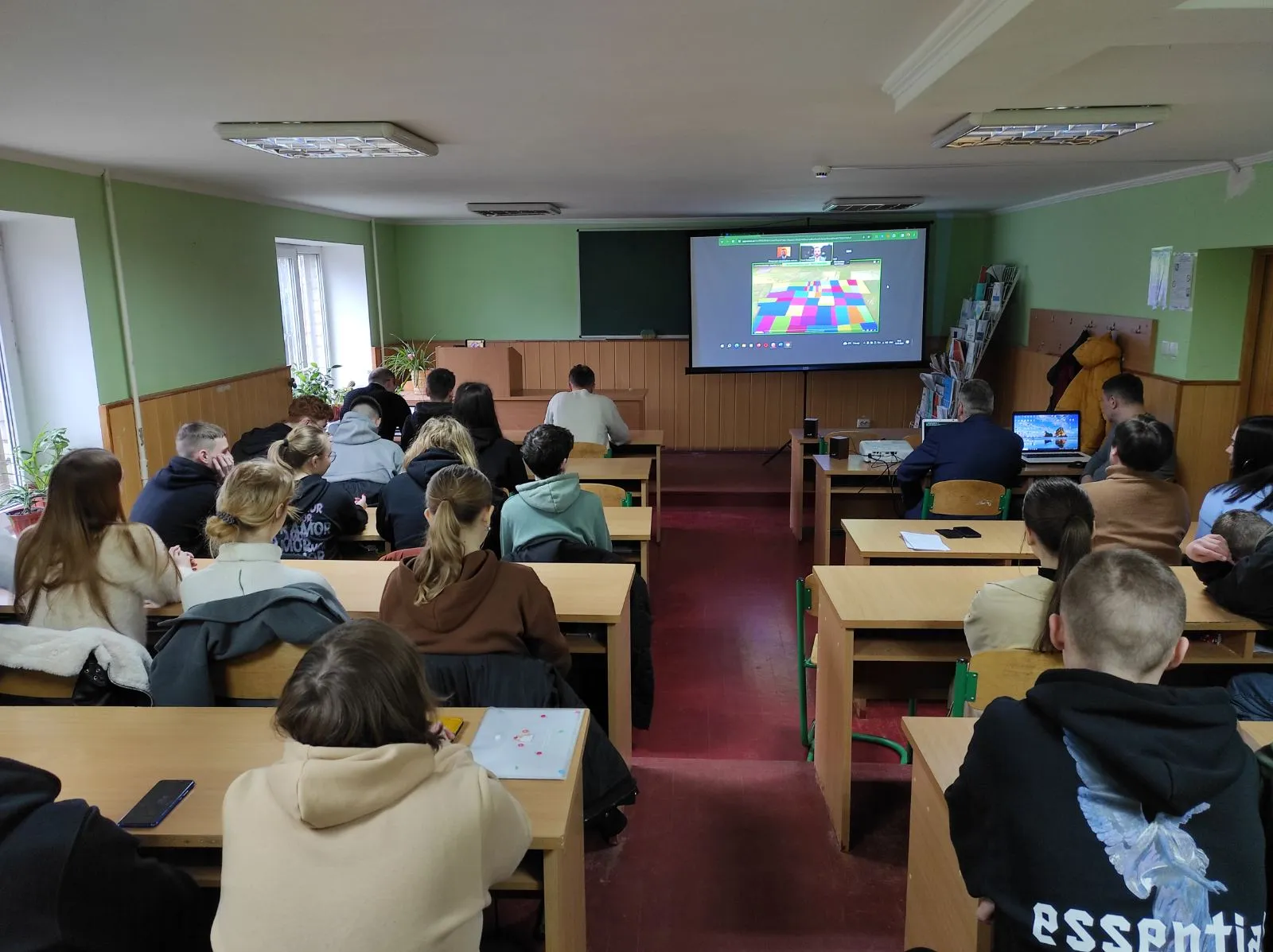
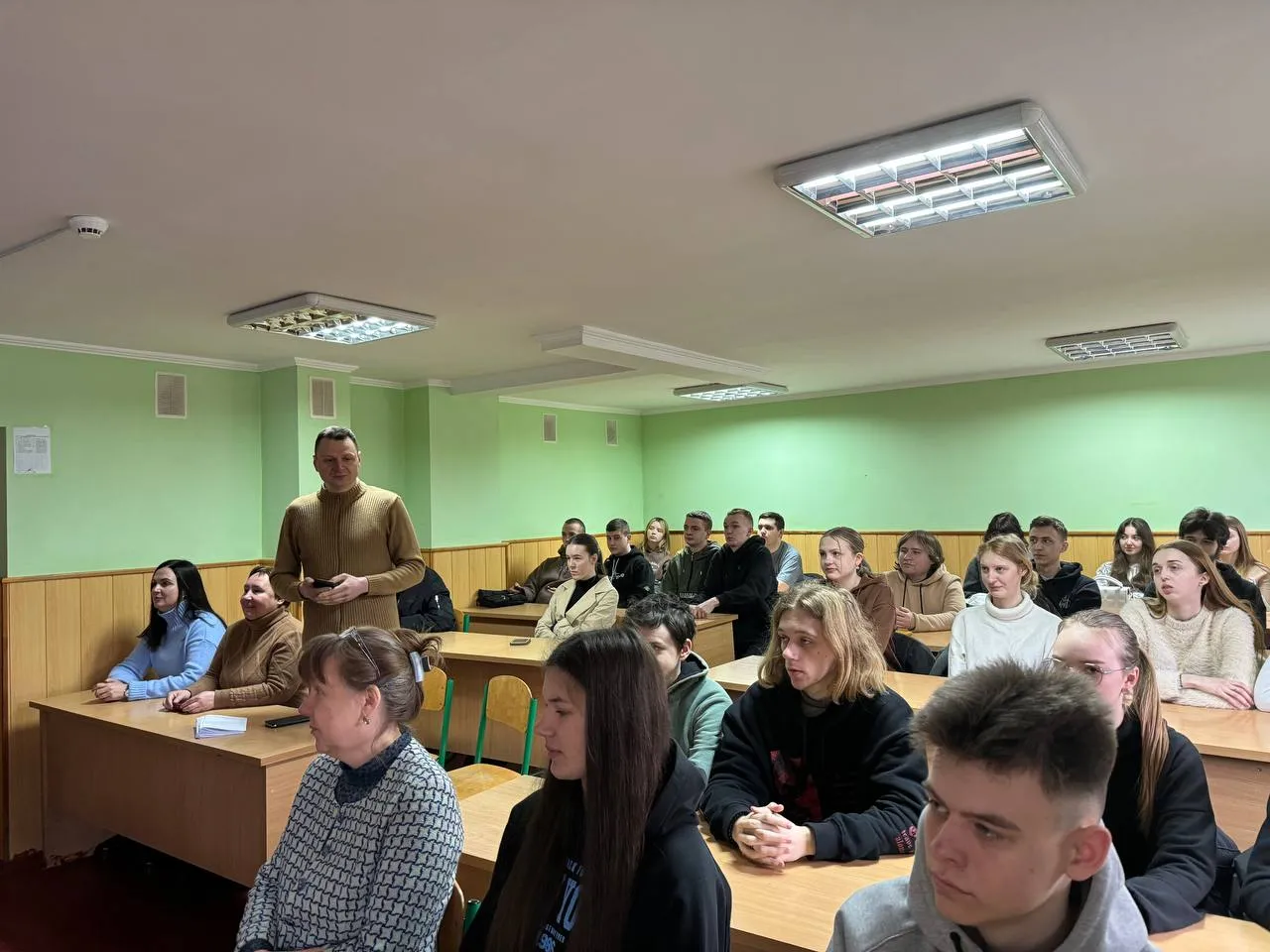
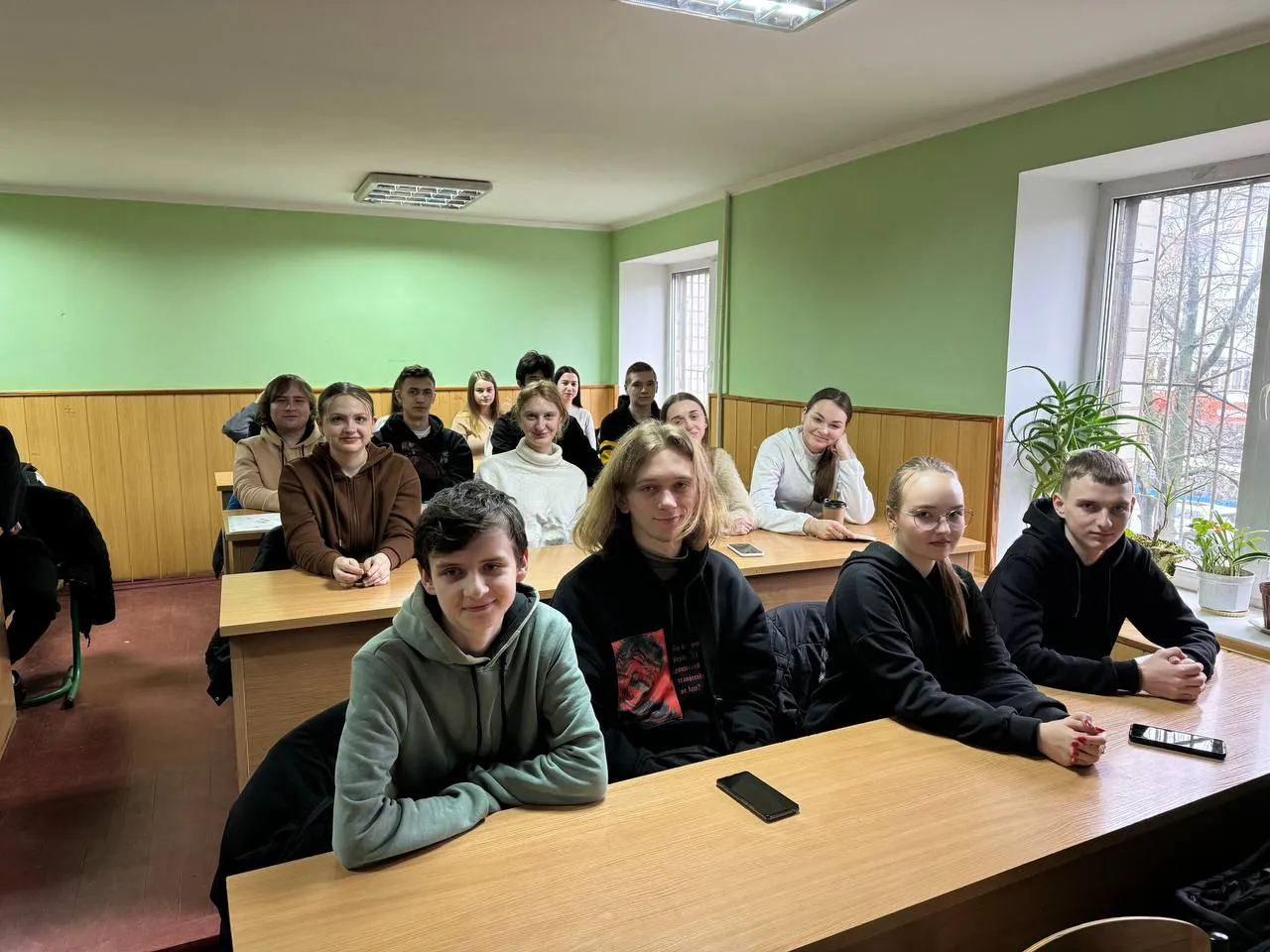
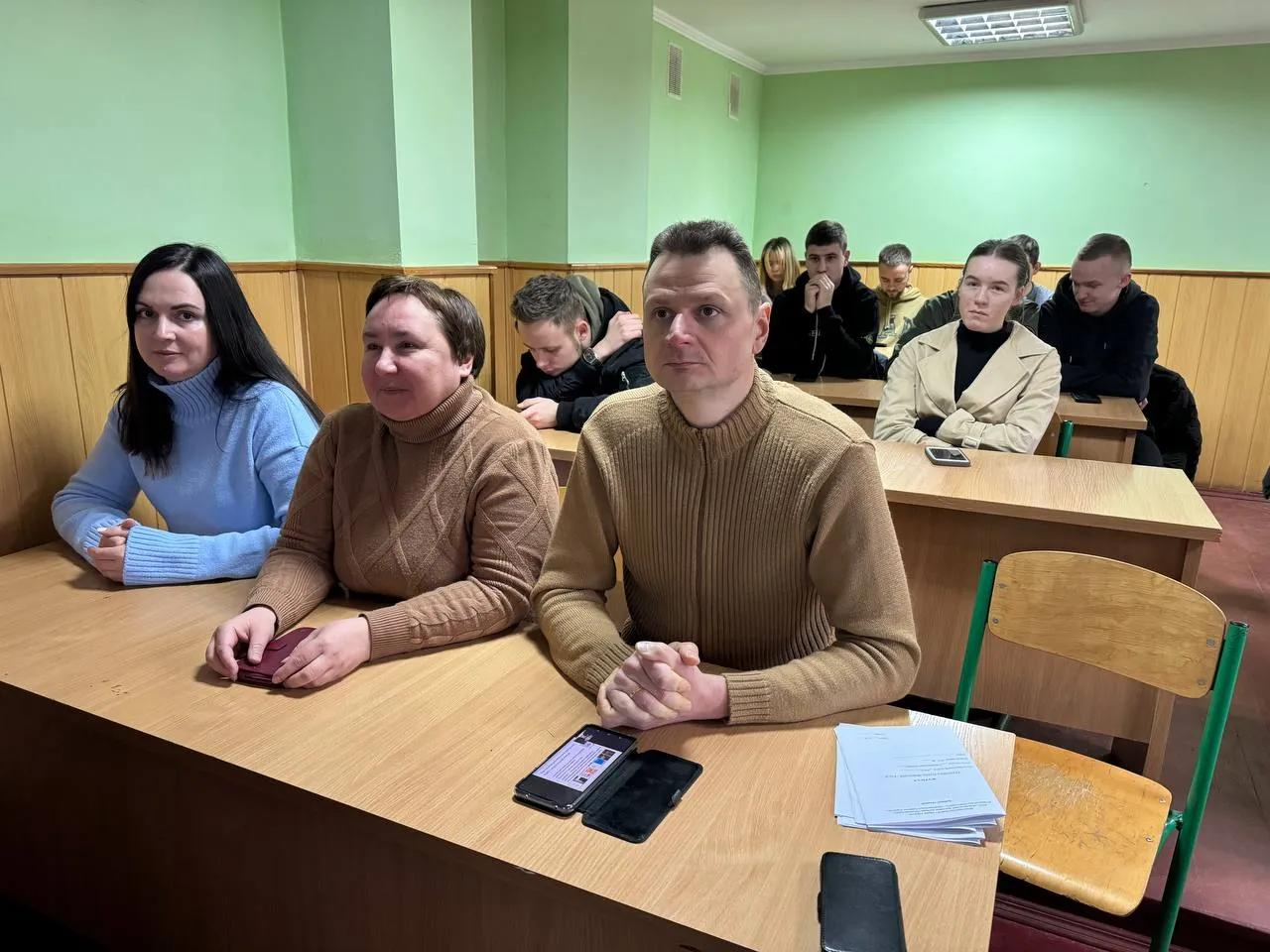
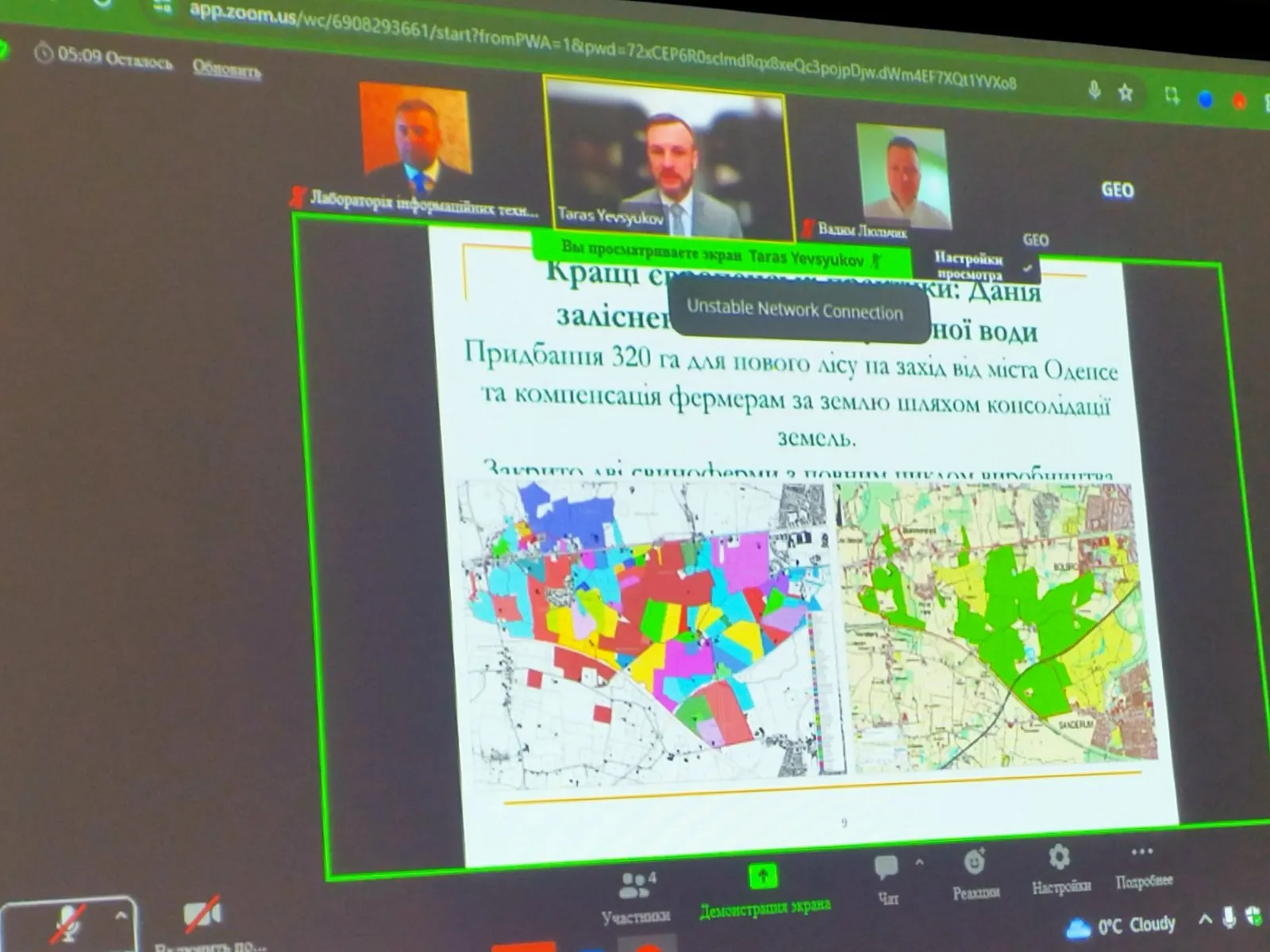
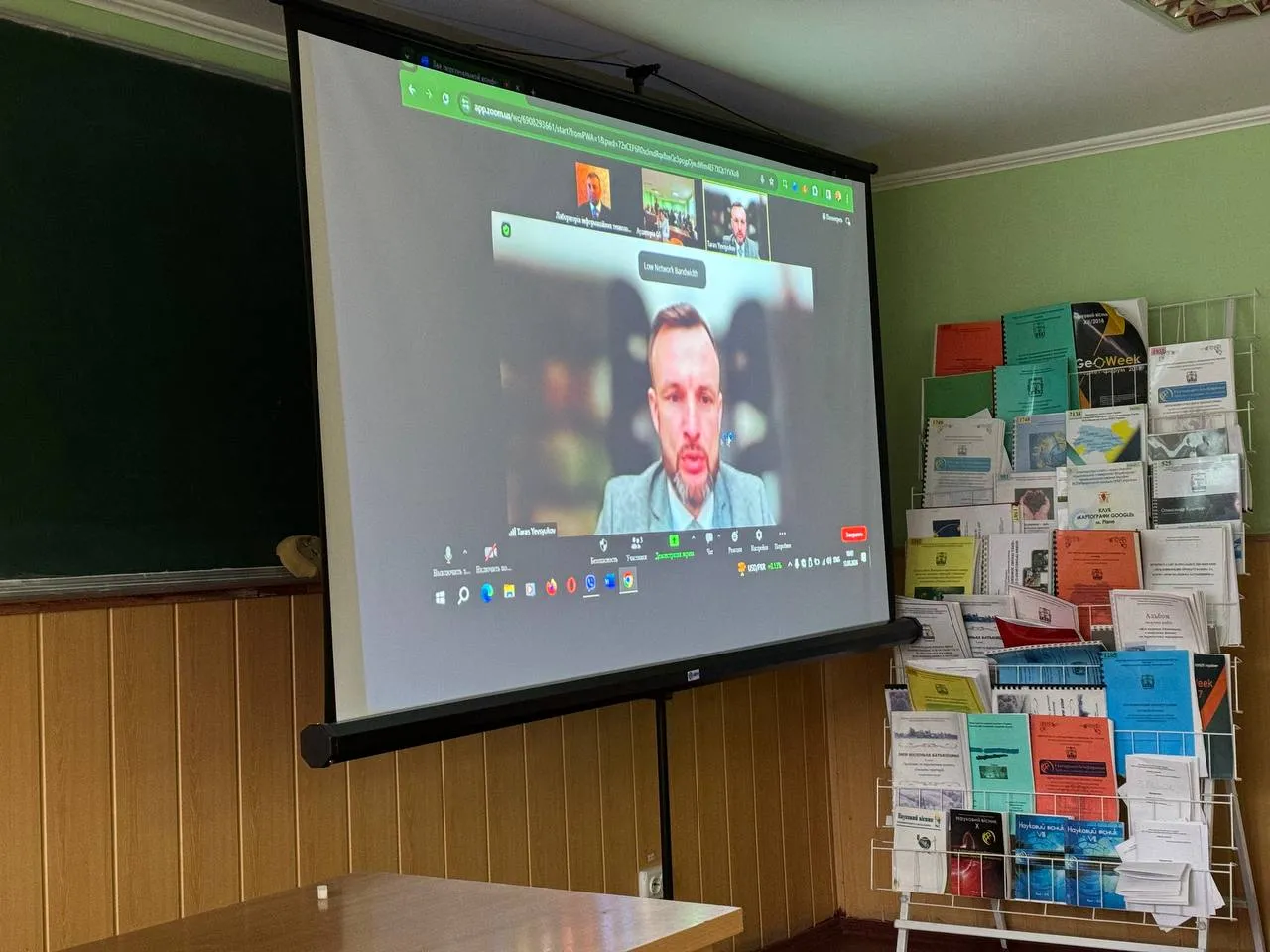
As part of the week of land management disciplines on March 13, 2024, Taras EVSYUKOV, Doctor of Economics, Professor, Dean of the Faculty of Land Management of the NUBiP of Ukraine, held an open guest lecture on the topic "Land consolidation: best European practices and challenges for Ukraine". The audience of the lecture, and in fact the meeting in a friendly atmosphere, were applicants for education in specialty 193 "Geodesy and land management" of the educational and professional degree "Professional Junior Bachelor" and the degree of higher education "Bachelor" of 41-Z, 5-ZB and 6-ZB groups. The meeting was held using the Zoom communication platform.
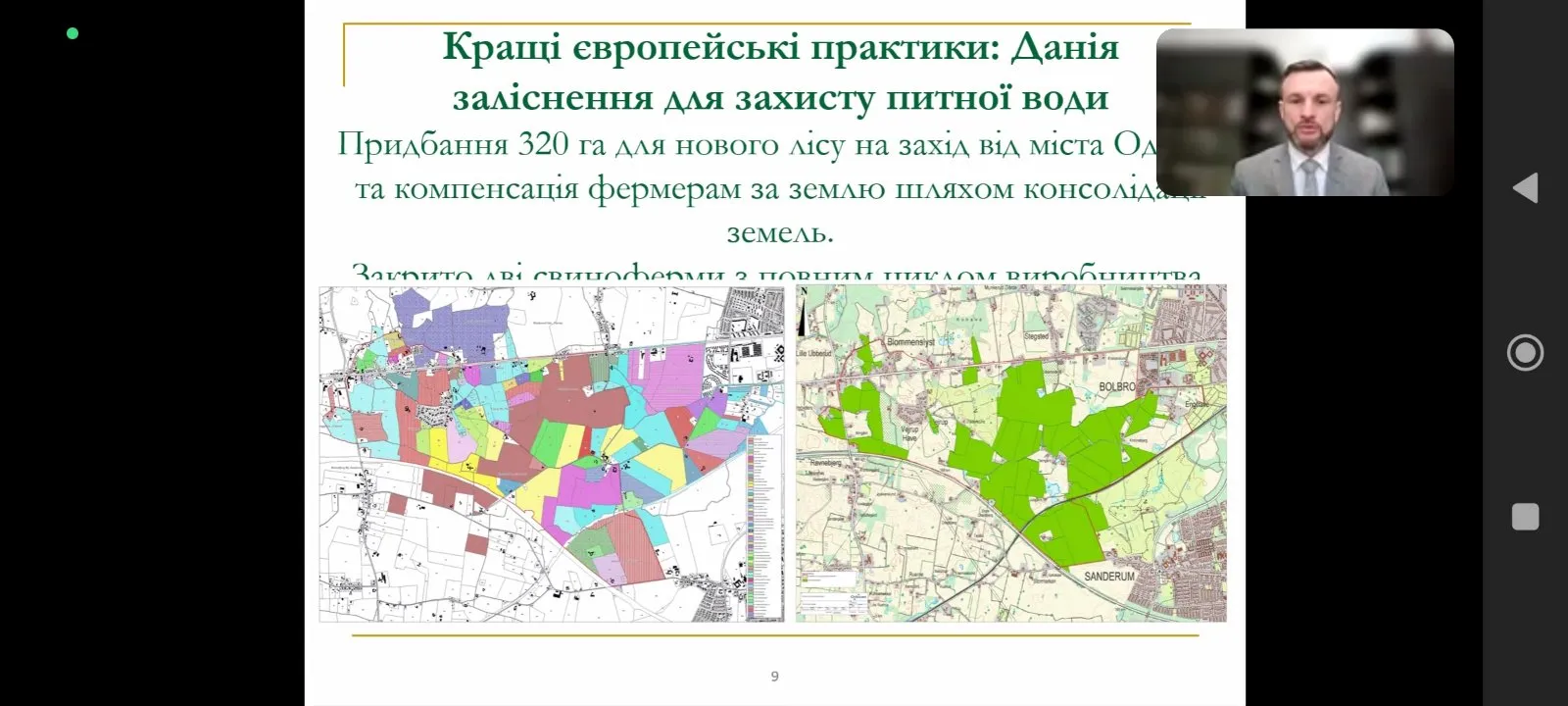
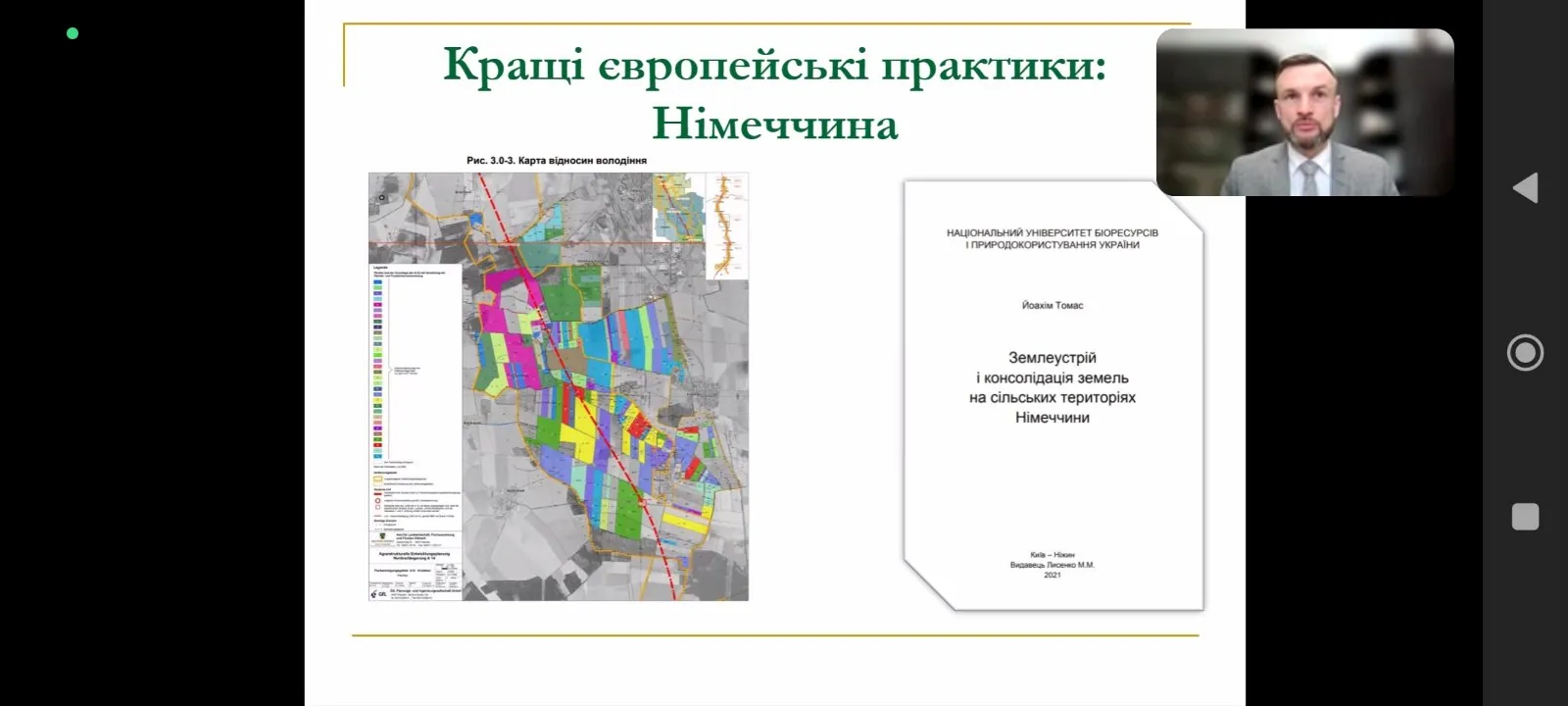
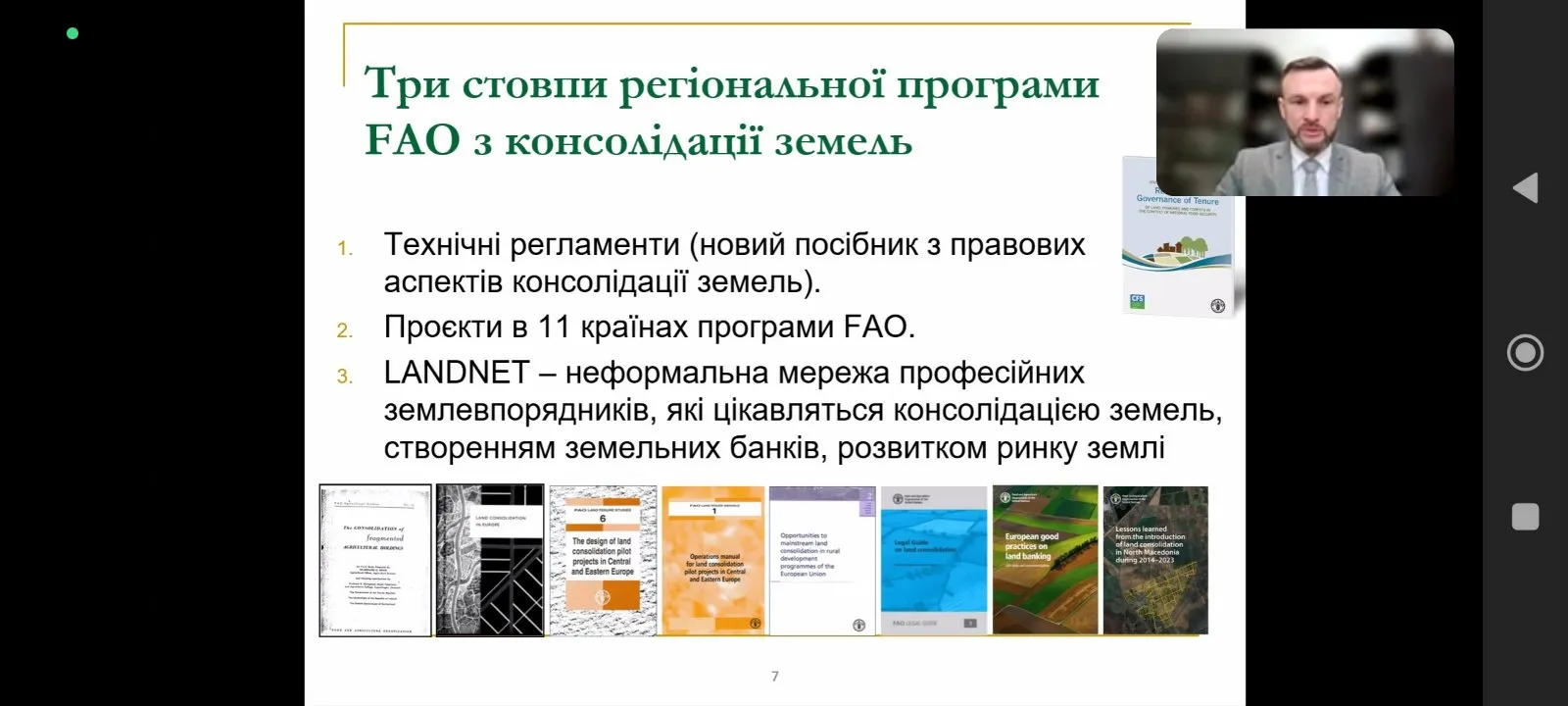
Taras EVSYUKOV in his lecture revealed the main provisions of land consolidation, because this issue, in the context of Ukraine's integration into the EU, is extremely relevant. The lack of effective land consolidation mechanisms in Ukraine requires the implementation of best practices (especially with the aim of improving the structure of agricultural production, spatial development, creation of land reclamation and engineering infrastructure, etc.) and their consolidation at the legislative level.
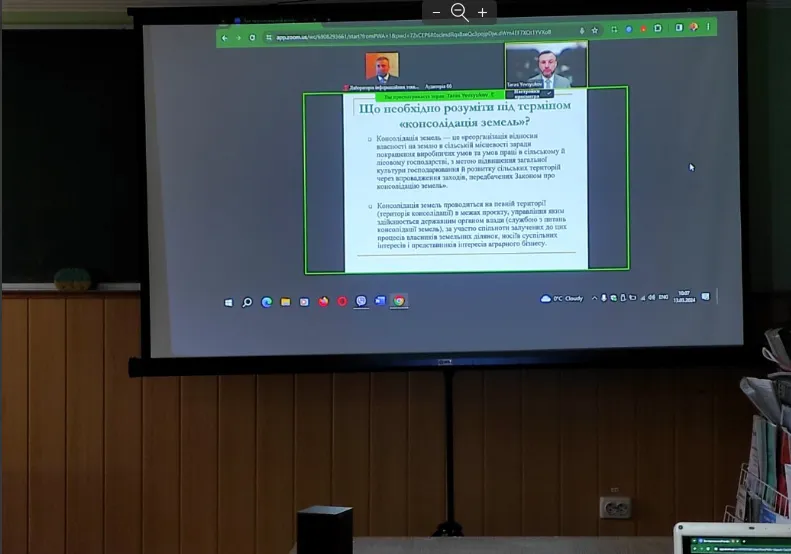
Land consolidation, according to the draft Law of Ukraine "On Land Consolidation", currently being considered by the Verkhovna Rada, is a complex of organizational, legal, land management and other measures, which consists in the economically justified unification by landowners and land users of land plots and agricultural and non-agricultural lands into single land massifs, the location, size, configuration and composition of which ensure sustainable land use.
The students were interested in the institutional and practical experience of land consolidation in foreign countries, in which these processes took place in previous historical periods. For example, in Turkey, where the area of agricultural land is over 28 million hectares - over 2.2 million farmers. At the same time, the average size of a farm is about 6.8 hectares. Accordingly, land fragmentation is an average of 11 land plots cultivated by one farmer. The main problem is the lack of access, irrigation to 50% (more than 18 million) of the country's land plots. An integrated approach to land consolidation is used to solve the problem, in which integrated management of water and land resources is carried out. Land consolidation occurs according to the basin principle, as a result, it reduces inefficient use of water in agriculture. In general, Turkey has been engaged in consolidation for 62 years.
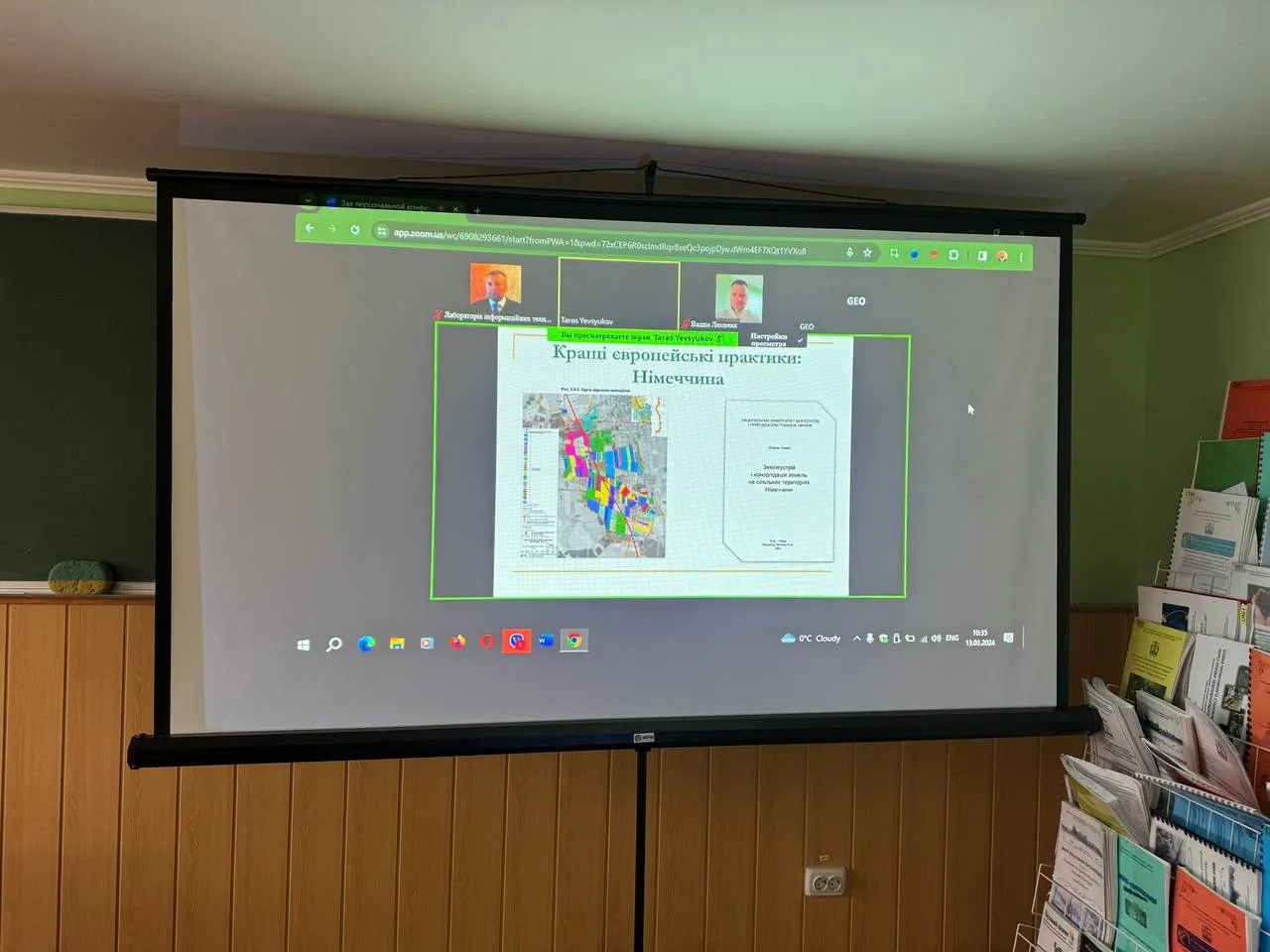
Land consolidation in the German federal states aims to ensure the improvement of agricultural structures in terms of spatial development, the aim of which is to improve living and working conditions in rural areas. It encompasses the planning, preparation and implementation of all measures that can preserve and improve the residential, economic and recreational functions of rural areas in order to ensure the promotion of development and the long-term improvement of living conditions outside urban areas.
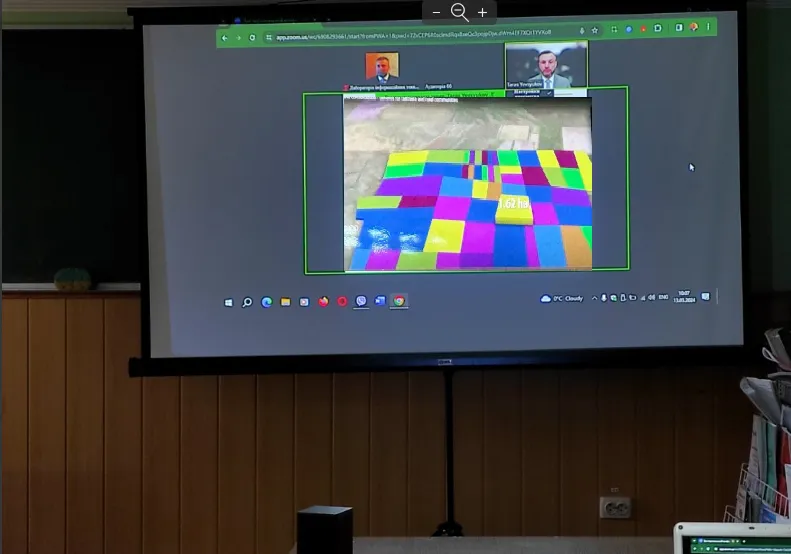
During the speech, students were shown video materials that demonstrated the solution of specific situational tasks on land consolidation in Ukraine.
Taras Oleksiyovych also noted the cooperation of NUBiP of Ukraine with the project "Professional Dialogue on Land Issues" of the German-Ukrainian Agropolitical Dialogue, within the framework of which consultations on land consolidation are held with the environment of leading European experts, and also acquainted those present with scientific and methodological literature on land consolidation, which is freely available on the Internet and transferred by him to the library of Rivne College.
In conclusion, Taras Oleksiyovych noted that the Faculty of Land Management of the NUBiP of Ukraine will begin training students in the educational and professional program "Land Consolidation" of level 7 of the National Qualifications Framework, and this is a chance for future college graduates - students of the NUBiP of Ukraine to gain knowledge of the future of land management and its practical use in their professional activities.
Students expressed interest in continuing their studies under the new educational and professional program, and the lecturers of the cycle commission were represented by a candidate of agricultural sciences, a college methodologist. Vadim PILLOW, who emphasized the importance of this event and thanked the lecturer for an interesting and relevant meeting.
Nelya RUSINA,
Head of the cyclical commission of land management disciplines
